From the practice.
Appointments, presentations, and the occasional milestone worth marking.
Several of us spent the weekend at the Summer Conference of the Texas Society of Pathologists. The society has been part of this practice for a long time — Dr. Homer served as its president and holds its Caldwell Distinguished Service Award — and the conference is one of the few places where the pathologists of this state are all in one room.
Most of the value, as ever, was in the hallways. It was good to see colleagues we have known for years, and better still to meet pathologists earlier in their careers who are weighing what kind of practice they want to build. Independent practice is a smaller world than it once was, and it helps to be reminded how many people are still choosing it.
Two sessions stood out. The panel on artificial intelligence in pathology was refreshingly unhyped: less about replacing anybody and more about where algorithmic assistance is genuinely useful, what validation and quality oversight it demands, and who is accountable for the result. The answer to that last question has not changed — a physician signs the report.
Rebecca Yorke, MD spoke on “Why Advocacy Matters in Pathology,” and it was the most inspiring thing we heard all weekend. Her case was that pathologists have to be ready to speak to state and national leaders themselves — on billing and reimbursement, on artificial intelligence, and on the regulatory questions shaping how laboratories operate — rather than leaving those arguments to somebody else. A practice this size has a stake in every one of them, and showing up is part of the work.
We came home with a longer reading list and a few conversations to continue. Our thanks to the society and to everyone who organised the conference.
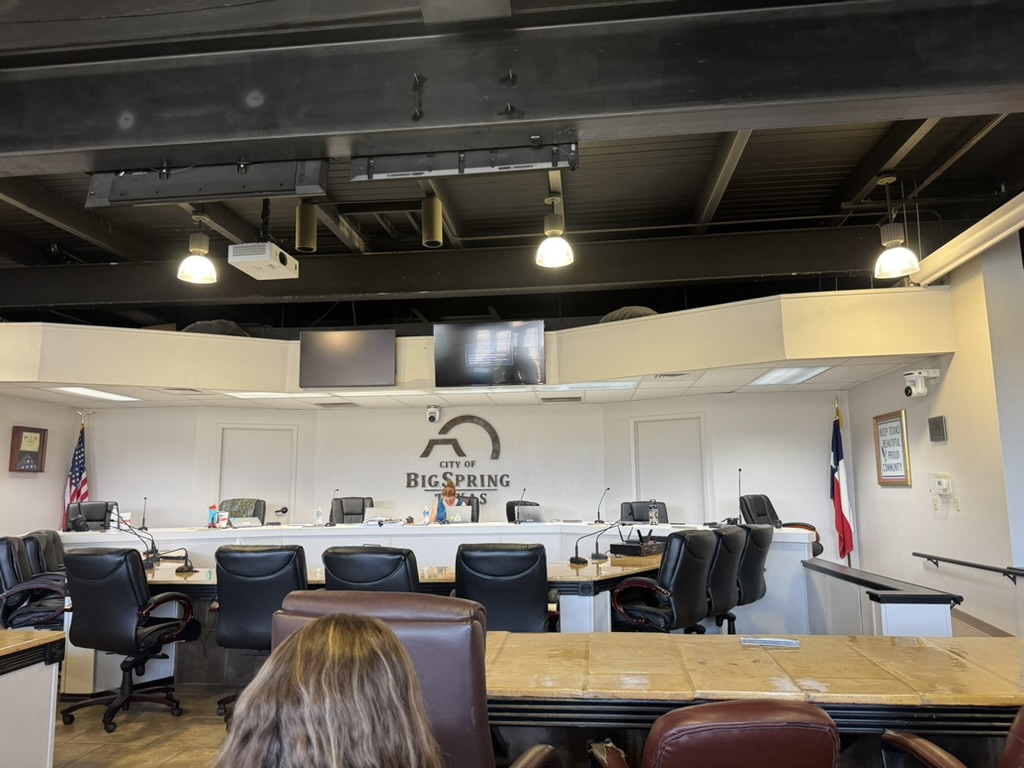
We travelled to Big Spring this month for a meeting of the Texas Health and Human Services Commission, held in the City of Big Spring council chambers, convened under the state’s Rural Texas Strong Initiative.
We went to listen. Several of the hospitals we read for are rural community hospitals, and the pressures they describe — staffing, distance, keeping a laboratory viable in a small town — are not the same as those of a suburban hospital. Understanding them properly is part of serving them well.
Texas Pathology Consultants has joined the Independent Pathology Practice Network, a national association of physician-owned pathology groups.
The network exists to make the case for independent practice in laboratory medicine, and its values are ones we already work by: independence, excellence, community and the professional development of the people in the group. Joining puts us alongside similarly-minded practices who have chosen not to sell to a national laboratory.
For the hospitals and clinics we serve, nothing changes day to day. The physicians who read your cases still own the practice that reads them.
Kevin Homer, MDDr. Wafi Bibars, lead pathologist at Texas Health Hospital Mansfield, prepared the hospital laboratory for its College of American Pathologists accreditation inspection and then led a reciprocal inspection of another laboratory in 2025.
Reciprocal inspection is how CAP accreditation works: the laboratories being held to the standard are the ones applying it. It is unglamorous, detailed work, and it is a fair measure of how well a pathologist knows the bench as well as the microscope.
Kevin Homer, MDDr. Noel Ceniza has joined Texas Pathology Consultants after more than twenty-five years of community hospital practice in Petoskey, Michigan, where he served as laboratory medical director and president of Northern Pathology Associates.
He trained in anatomic and clinical pathology at William Beaumont Hospital in Royal Oak, Michigan, after earning his medical degree at the Cebu Institute of Medicine.
Dr. Ceniza and his wife Vanessa moved to Texas in 2024 and have taken to it quickly — helped, he notes, by living near an airport with non-stop flights to most cruise ports.
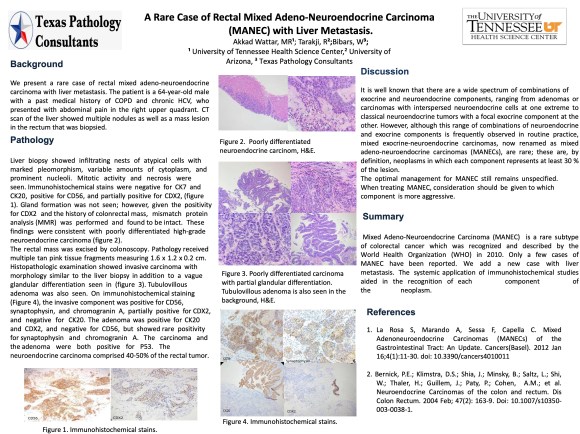
Kevin Homer, MDDr. Wafi Bibars, with Dr. M. R. Akkad Wattar and Dr. R. Tarakji, presented a rare case of rectal mixed adeno-neuroendocrine carcinoma with liver metastasis at the annual meeting of the American Society for Clinical Pathology on 27 October 2021.
The meeting was held in Boston, and virtually for everyone else. The case is one of more than thirty presentations and publications Dr. Bibars has contributed to date.
Texas Health Hospital Mansfield led every other campus in AdventHealth’s report of overall patient experience scores, with a 96.67% HCAHPS overall rating in its first reporting period — nearly ten points clear of the next highest facility.
Our physicians hold the laboratory directorship and the chair of pathology at Mansfield. A score like that reflects a whole hospital, but it is the sort of environment a laboratory can either support or undermine, and we intend to keep supporting it.
Kevin Homer, MDThe medical staff at Texas Health Hospital Mansfield elected Dr. Kevin Homer chief of staff, a term that ran to the end of 2022.
He named two priorities: clinical excellence, and a credentialing process efficient and friendly enough to support a young hospital growing quickly. These are the roles our pathologists take on rather than visit — medical staff offices, committee seats and departmental chairs at the hospitals we serve.
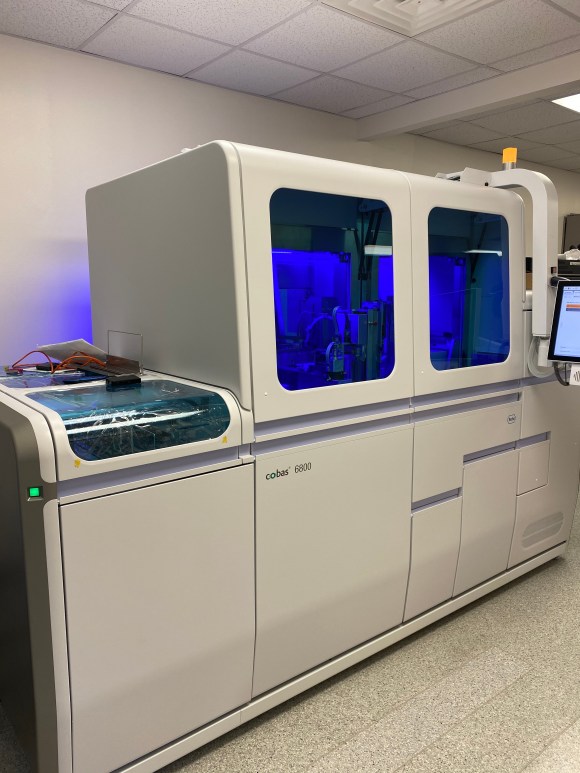
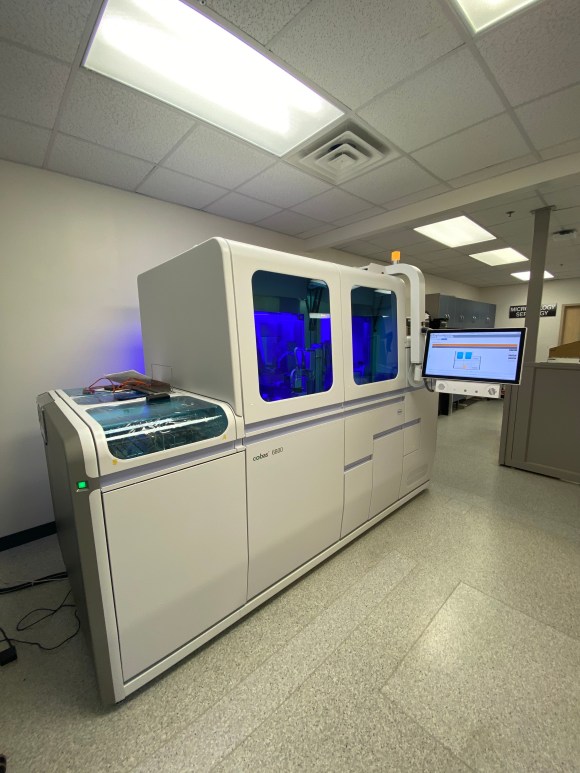
Kevin Homer, MDThe laboratory at Texas Health Huguley Hospital took delivery of a Roche cobas 6800 for high-throughput PCR testing of SARS-CoV-2. Once installed and validated, the instrument could run ninety-six samples in three hours.
It arrived for COVID-19 testing, but an instrument of that class has a much longer menu, and the laboratory has grown into the rest of its capability since.
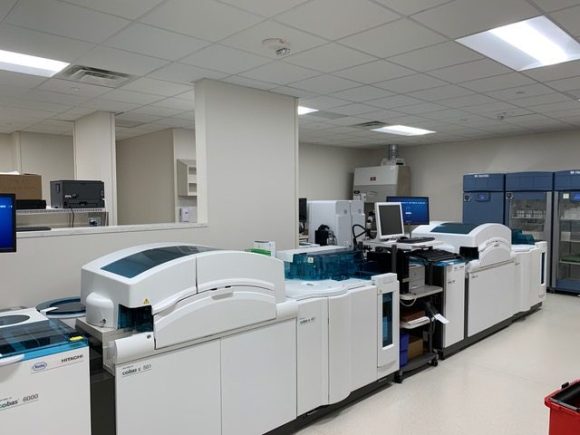
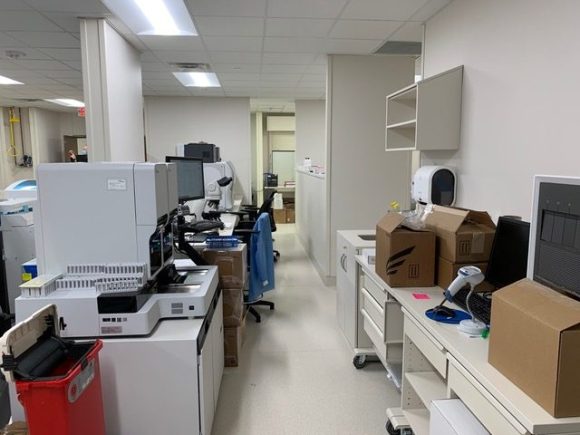
Texas Health Hospital Mansfield opened its doors on 1 December 2020, on schedule, with the laboratory ready for patients from the first day. Every major instrument had been installed and validated, and a full staff of medical laboratory scientists and assistants had been hired and trained.
We were proud and slightly humbled to be asked to serve the Mansfield community and its physicians at a facility that good.
After more than forty years providing pathology exclusively to Texas Health Huguley Hospital, the practice changed its name to Texas Pathology Consultants ahead of taking on Texas Health Hospital Mansfield later that year.
The name was the only thing that changed. Same physicians, same standard, a wider service area.
Kevin Homer, MD
Burleson, TX 76028
817.293.4304 · contact@texpath.com